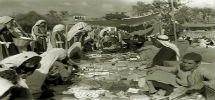
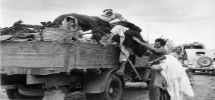
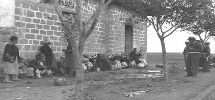
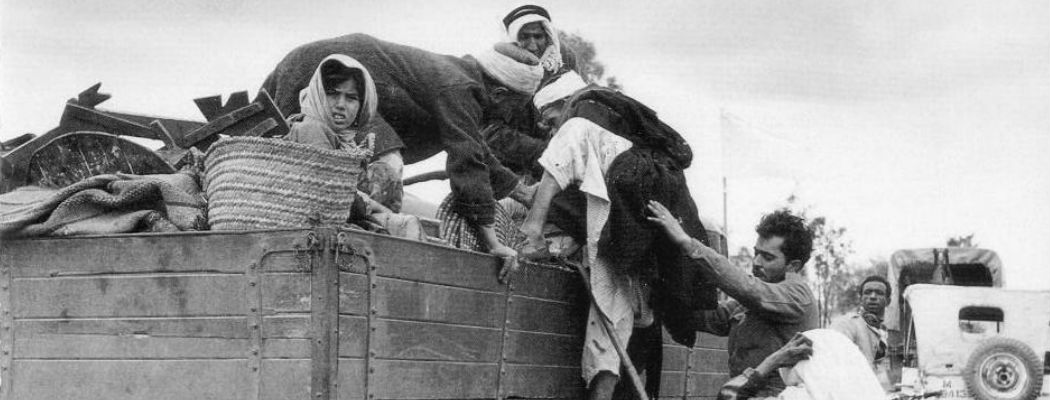
After 1948 Palestinian Nakba
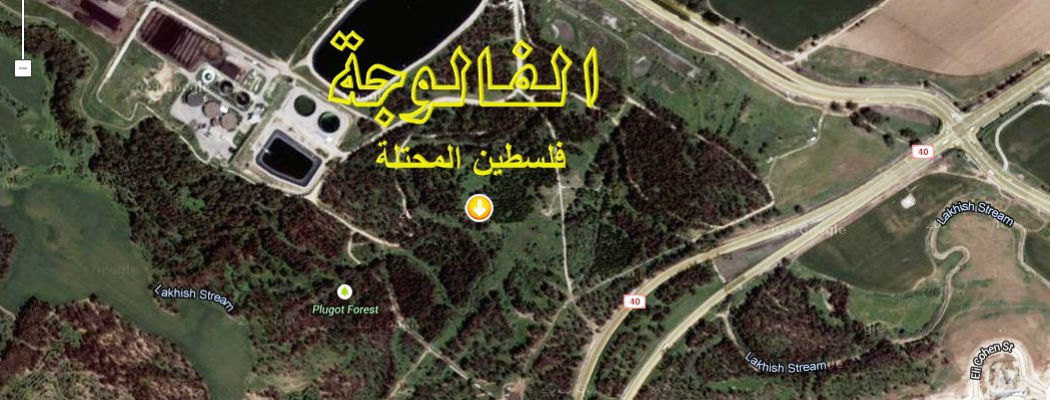
Al-Faluja was in the territory allotted to the Arab state under the 1947 UN Partition Plan.
1948 Arab-Israeli war
Al-Faluja was in the territory allotted to the Arab state under the 1947 UN Partition Plan. During the war, the men of the village blockaded the local Jewish communities and attacked convoys being sent to bring them food, water, and other supplies. A battle between an armored Jewish supply convoy and villagers in al-Faluja on 14 March 1948 left thirty-seven Arabs and seven Jews dead, as well as scores of Arabs and four Jews wounded. Israeli sources at the time told the New York Times that the convoy, protected by armored cars of the Haganah, “had to fight its way through the village.” A Haganah demolition squad returned later in the day and blew up ten houses in the village, including the town hall. According to Palestinian sources, the village had been attacked the month before, on 24 February.
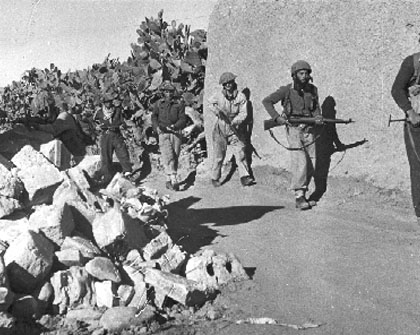
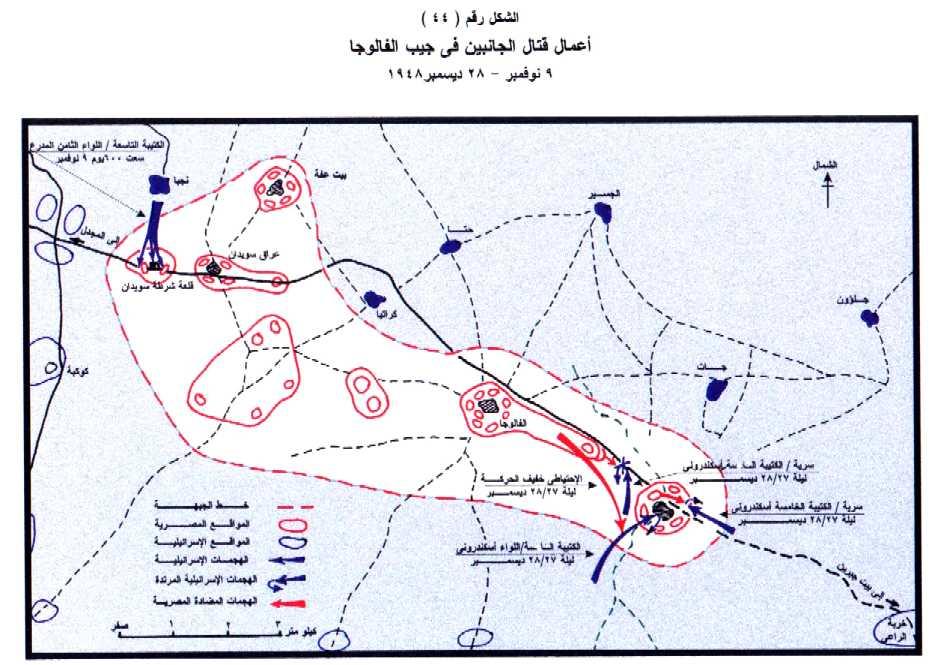
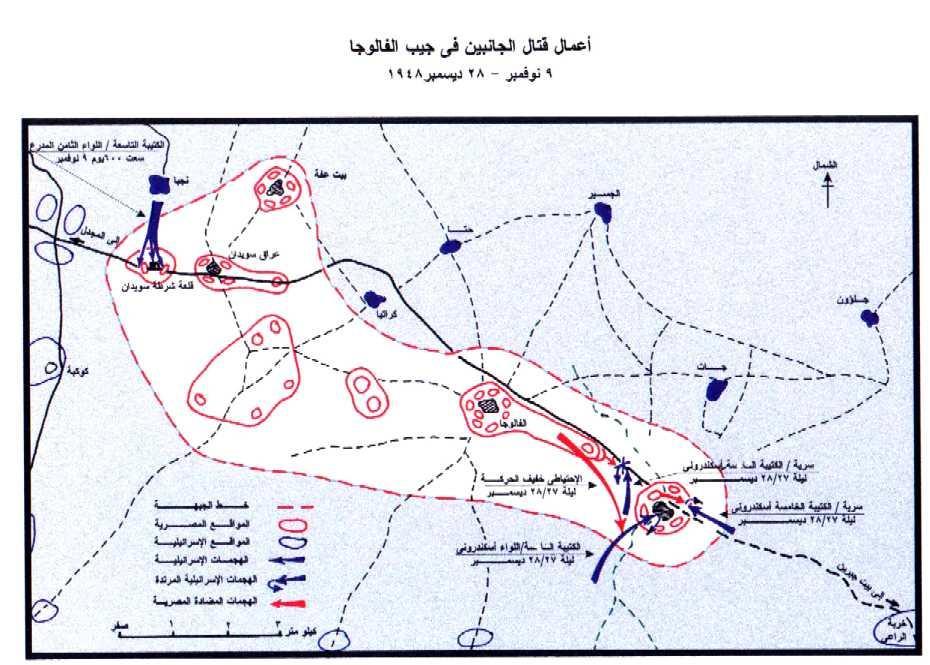
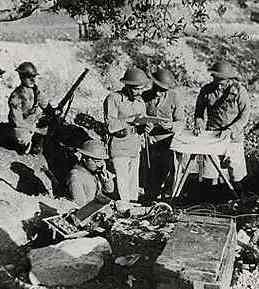
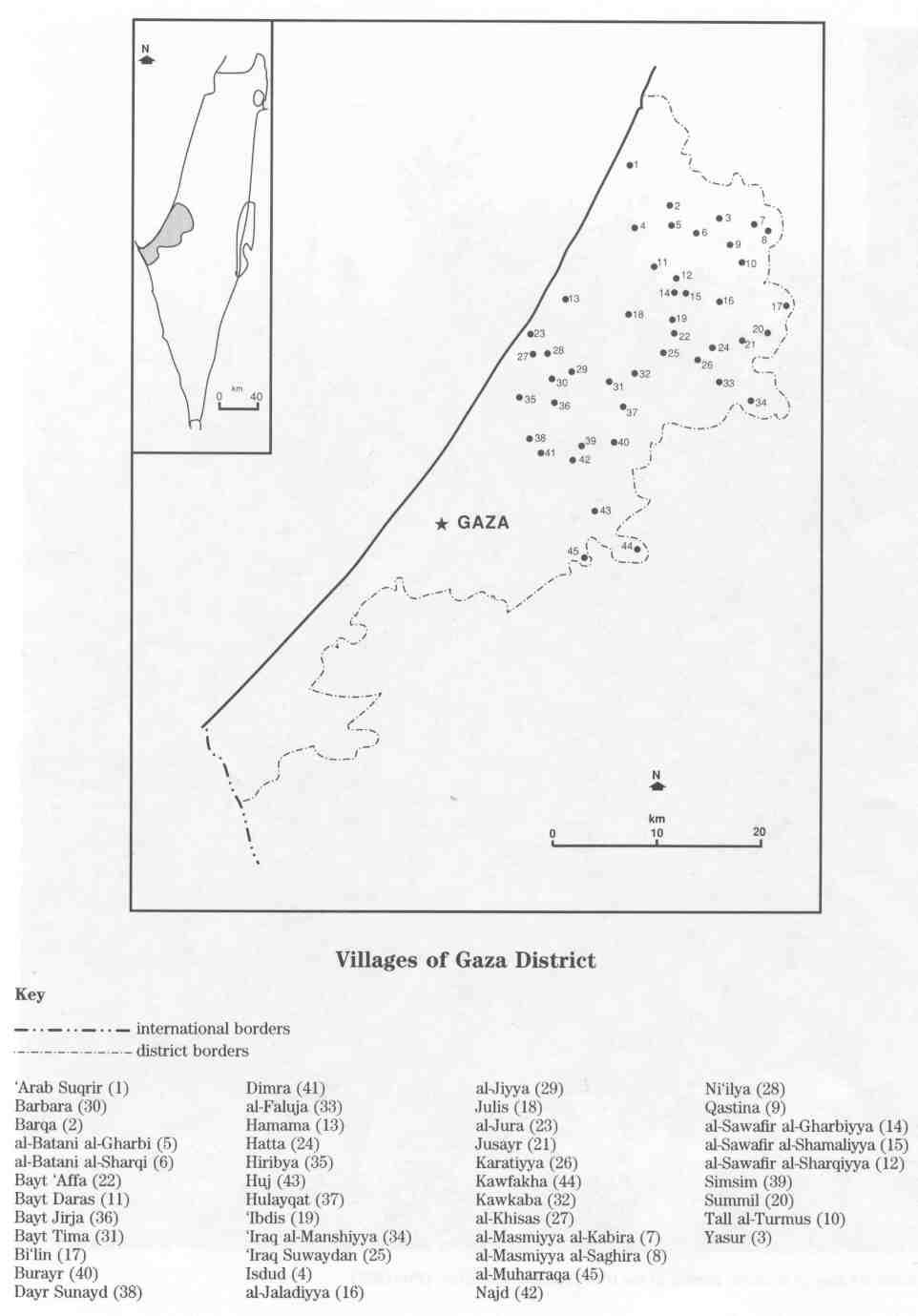
Egyptian forces crossed into the former mandate on 15 May 1948 and a column of them were stopped by the Israelis near Ashdod. This column retreated to and encamped at al-Faluja and Iraq al-Manshiyya, the so-called Faluja pocket. Between late October 1948 and late February 1949 some 4,000 Egyptian troops were encircled here by Israeli forces.
Armistice agreement
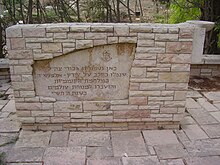
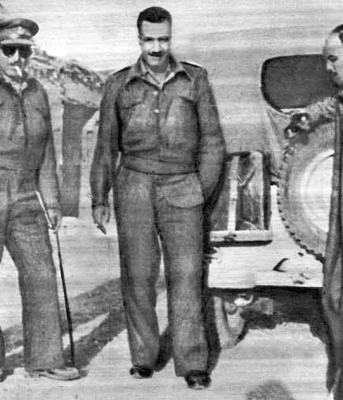
Under the terms of the February 4, 1949 Israel–Egypt Armistice Agreement, the surrounded Egyptian forces (including future Egyptian President Gamal Abdel Nasser) were allowed to evacuate, and the area was transferred to Israeli control. This agreement (uniquely to the two villages), guaranteed the safety and property of the 3,140 Arab civilians (over 2,000 locals, plus refugees from other villages). The agreement, and a further exchange of letters filed with the United Nations, stated “…. those of the civilian population who may wish to remain in al-Faluja and Iraq al-Manshiya are to be permitted to do so. … All of these civilians shall be fully secure in their persons, abodes, property and personal effects.”