Post-armistice events
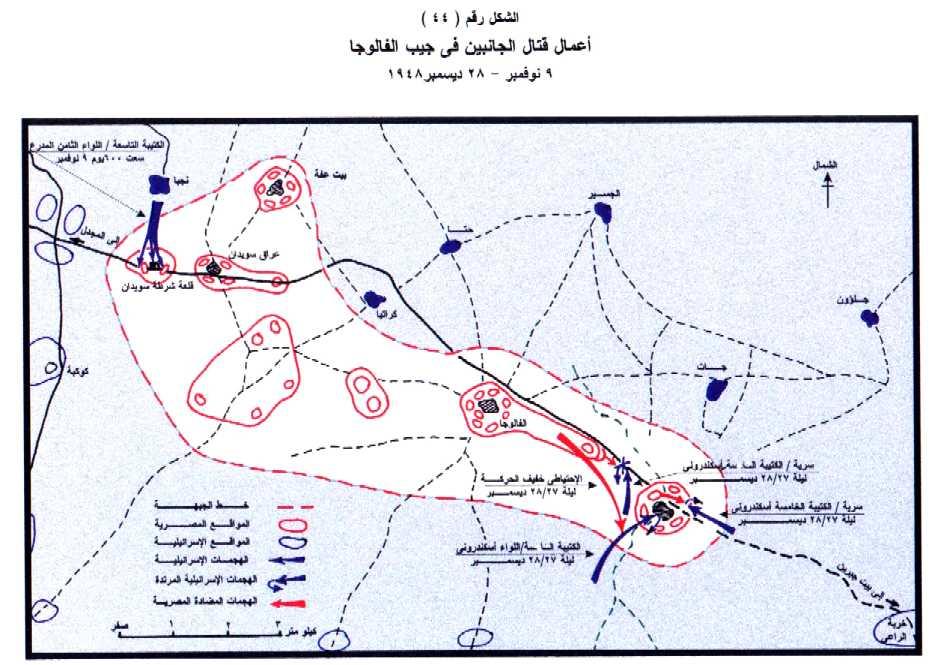
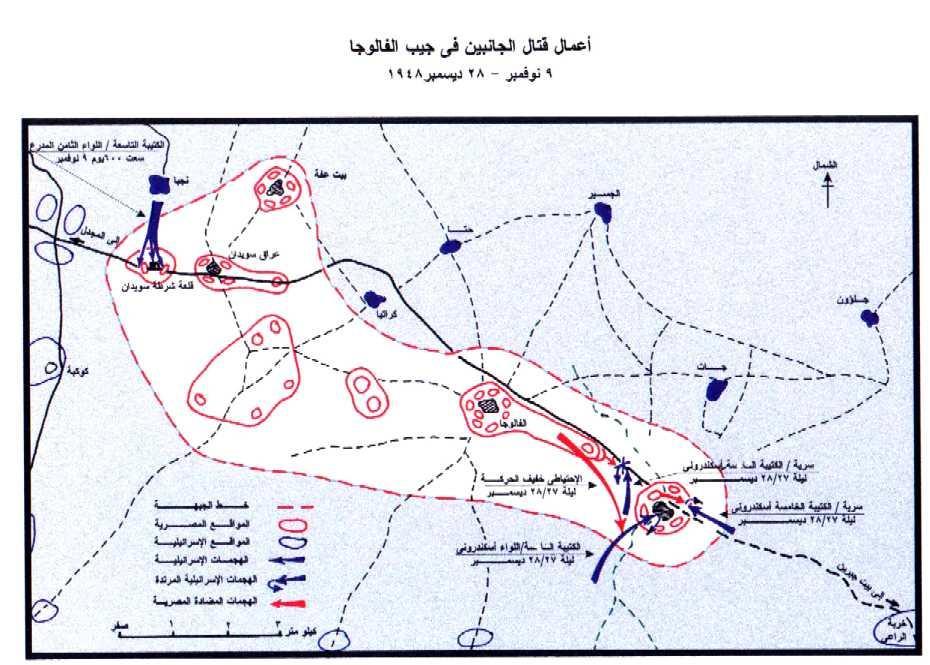
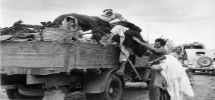
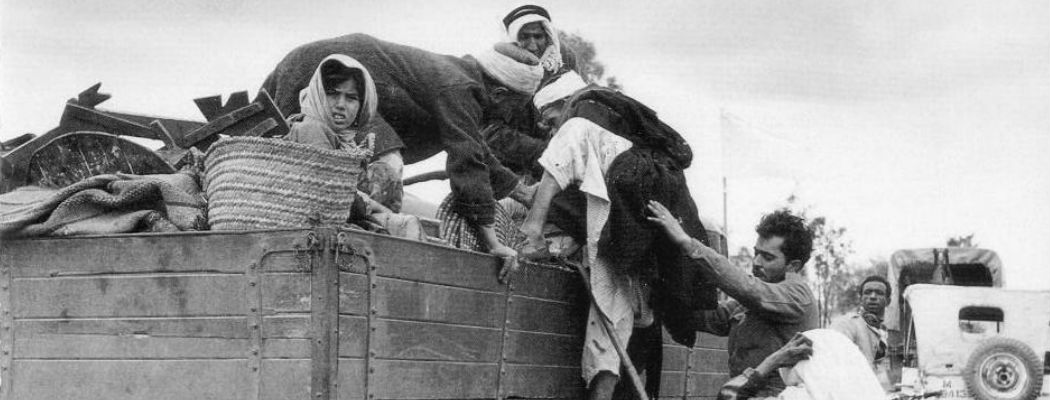
Few civilians left when the Egyptian brigade withdrew on 26 February 1949 but Israel promptly violated the armistice agreement and began to intimidate the populace into flight.
United Nations observers reported to UN mediator Ralph Bunche that the intimidation included beatings, robberies, and attempted rape. Quaker observers bore witness to the beatings “Jane Smith (one of the Quaker party) has bandaged six men. The worst case was a man with two bloody eyes, a torn ear, and a face pounded until it was blue … A young Arab told me: ‘We could not sleep last night because of much shooting and because the Israeli soldiers came into the homes and tried to “make into” the Arab women.’”. On 3 March they wrote that at “Iraq al Manshiya, the acting mukhtar or mayor told them that ‘the people had been much molested by the frequent shooting, by being told that they would be killed if they did not go to Hebron, and by the Jews breaking into their homes and stealing things”.
Moshe Sharett (Israeli Foreign Minister) was very concerned at the international repercussions, especially the possible effect on Israeli-Egyptian relations. He was angry at the actions of the IDF, carried out without Cabinet authorization and behind his back and was not easily appeased. He used most uncharacteristic language “The IDF’s actions” threw into question “our sincerity as a party to an international agreement … One may assume that Egypt in this matter will display special sensitivity as her forces saw themselves as responsible for the fate of these civilian inhabitants. There are also grounds to fear that any attack by us on the people of these two villages may be reflected in the attitude of the Cairo Government toward the Jews of Egypt”. Sharett pointed out that Israel was seeking membership of the United Nations, and was encountering difficulties “over the question of our responsibility for the Arab refugee problem. We argue that we are not responsible … From this perspective, the sincerity of our professions is tested by our behavior in these villages … Every intentional pressure aimed at uprooting [these Arabs] is tantamount to a planned act of eviction on our part”.
Sharett also protested that the IDF were carrying out a covert “‘whispering propaganda’ campaign among the Arabs, threatening them with attacks and acts of vengeance by the army, which the civilian authorities will be powerless to prevent. This whispering propaganda (ta’amulat lahash) is not being done of itself. There is no doubt that here there is a calculated action aimed at increasing the number of those going to the Hebron Hills as if of their own free will, and, if possible, to bring about the evacuation of the whole civilian population of [the pocket]”. He also referred to the army’s actions as “‘an unauthorized initiative by the local command in a matter relating to Israeli government policy’”. Allon admitted (to Yadin) only that his troops had “beaten three Arabs … There is no truth to the observers’ announcement about abuse/cruelty [hit’alelut], etc. I investigated this personally.”
Morris further writes that the decision to cleanse the “Faluja pocket” population was probably approved by Israeli prime minister David Ben-Gurion, that the last civilians left on 22 April, and the order to demolish these (and a string of other) villages was made 5 days later by Rabin.