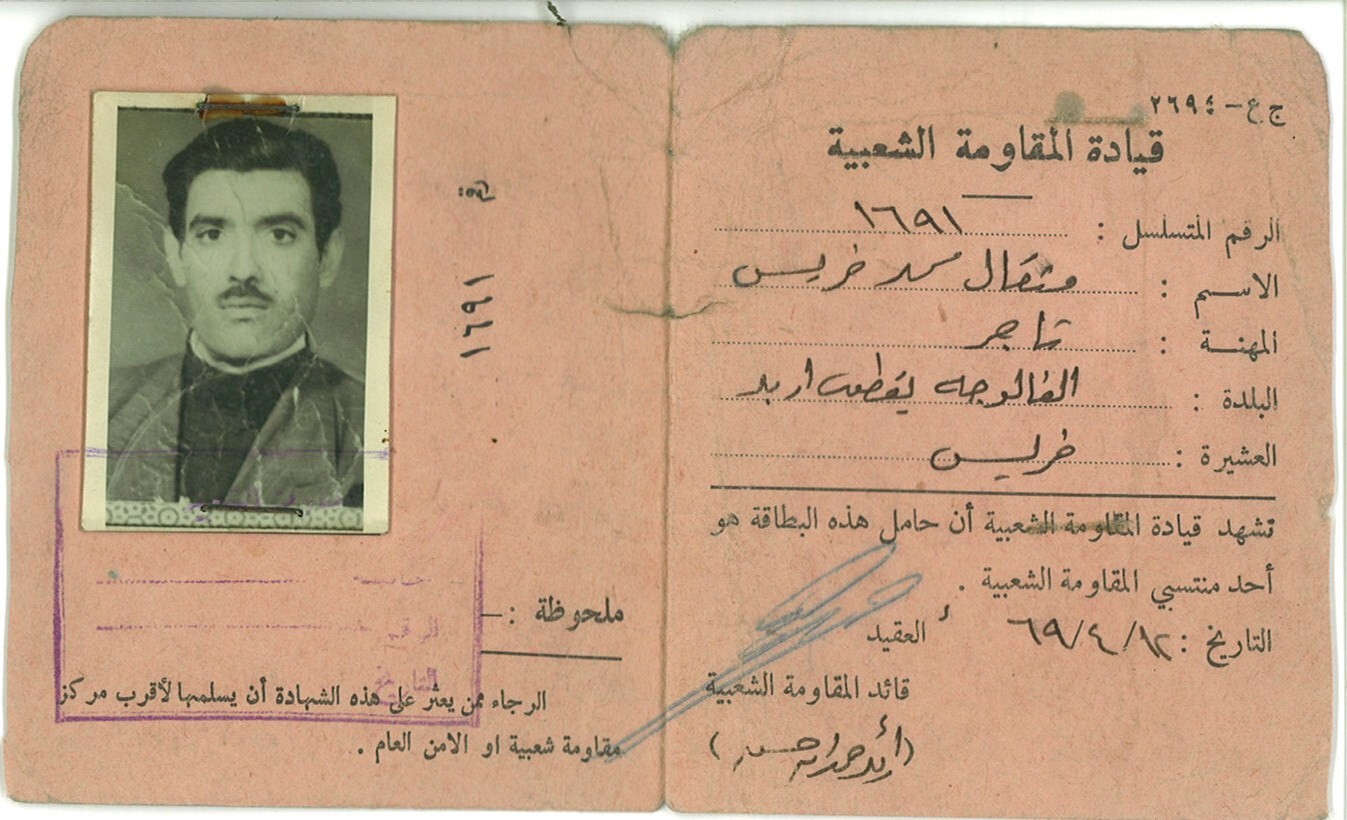
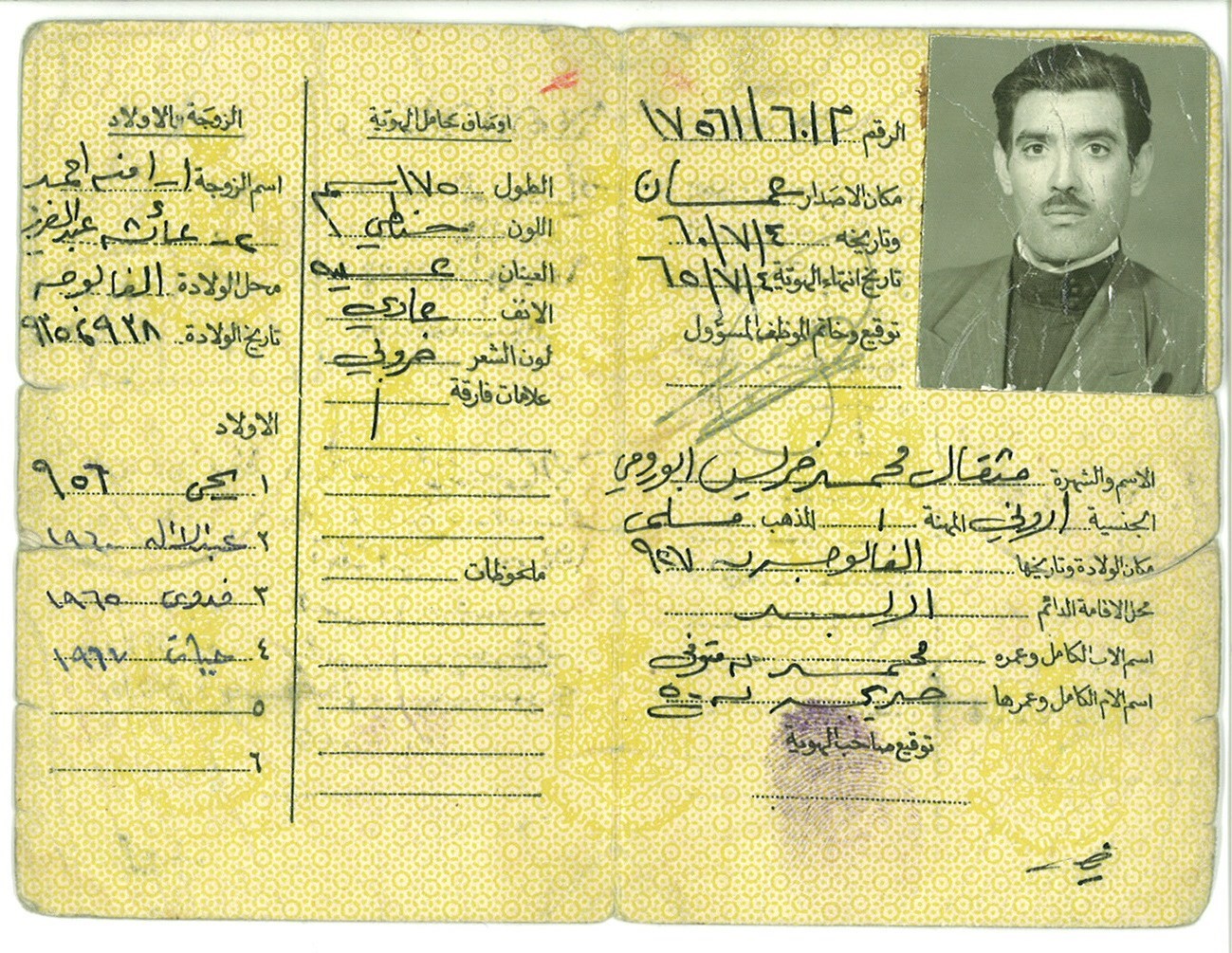
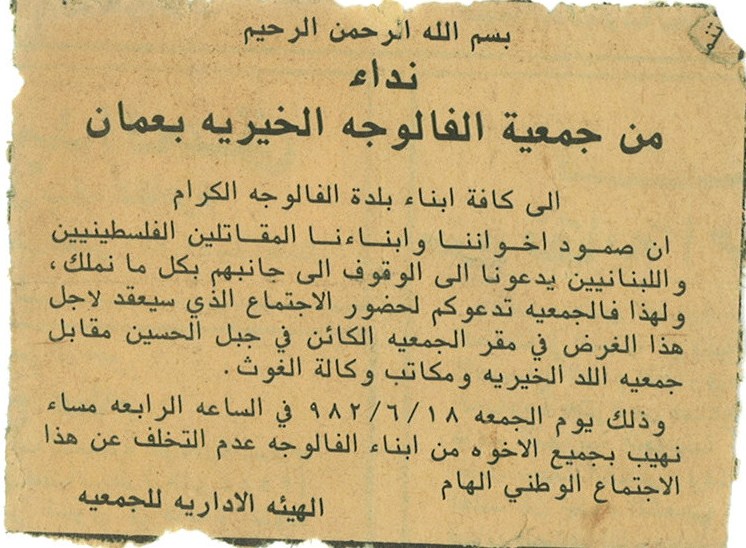
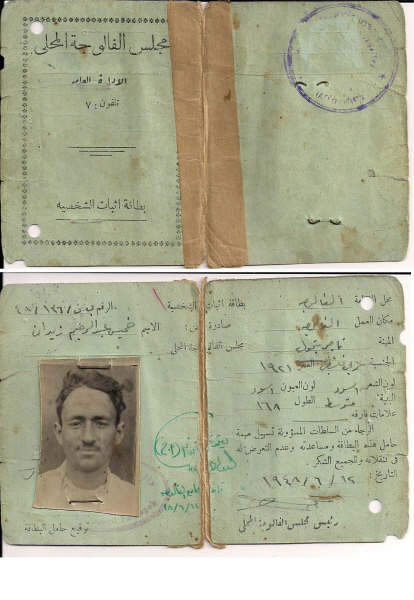
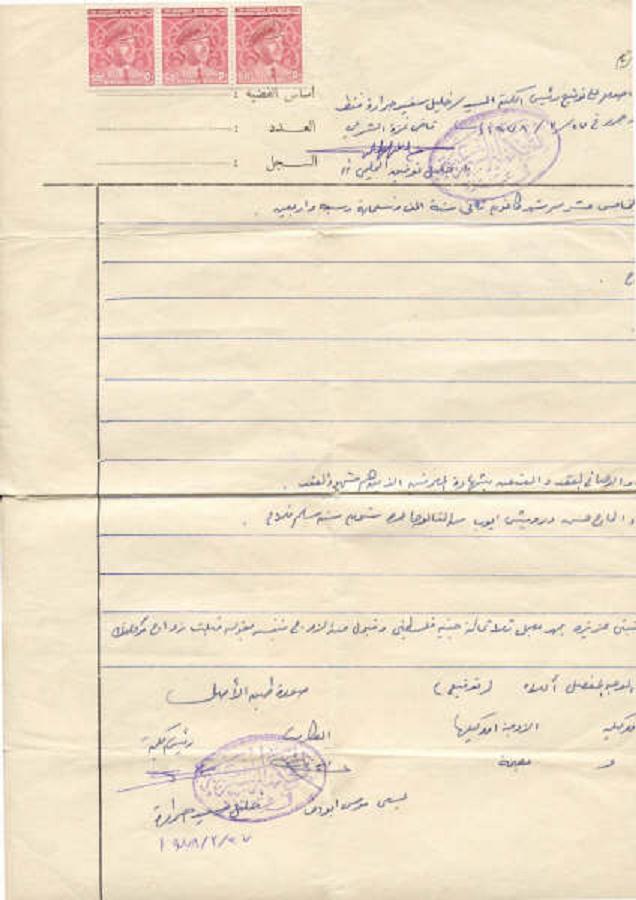
Welcome to our official website for the village of al-Faluja – الفالوجة
District of Gaza, Occupied Palestine
الفالوجه الفلسطينية
| al-Faluja | |
|---|---|
 |
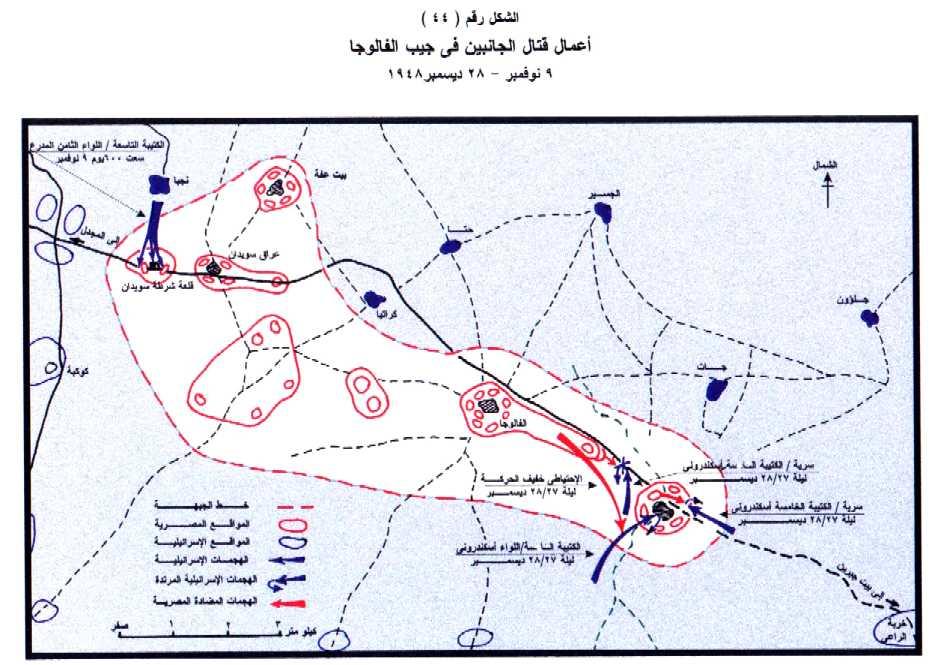
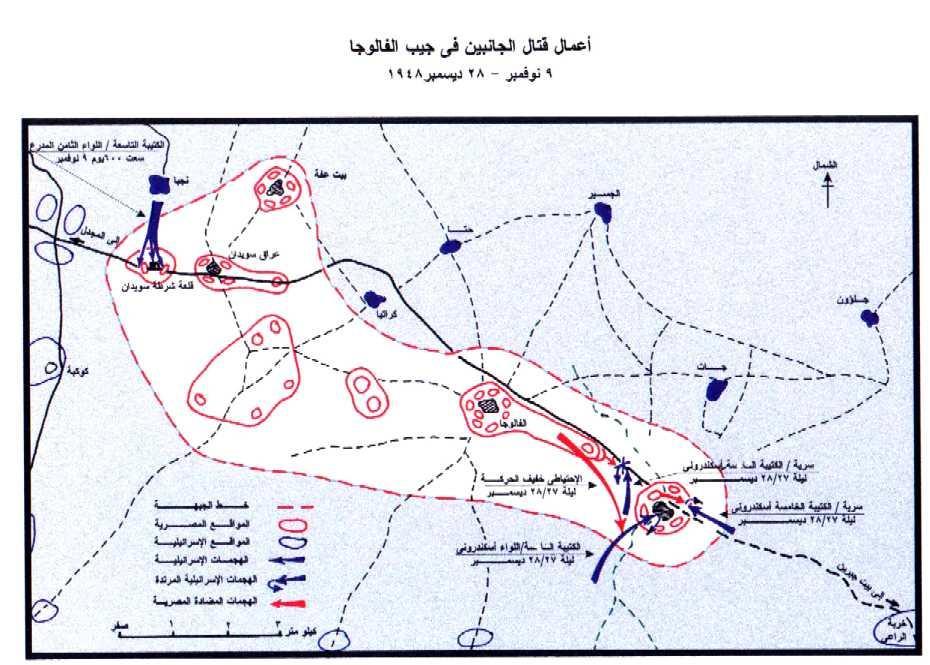
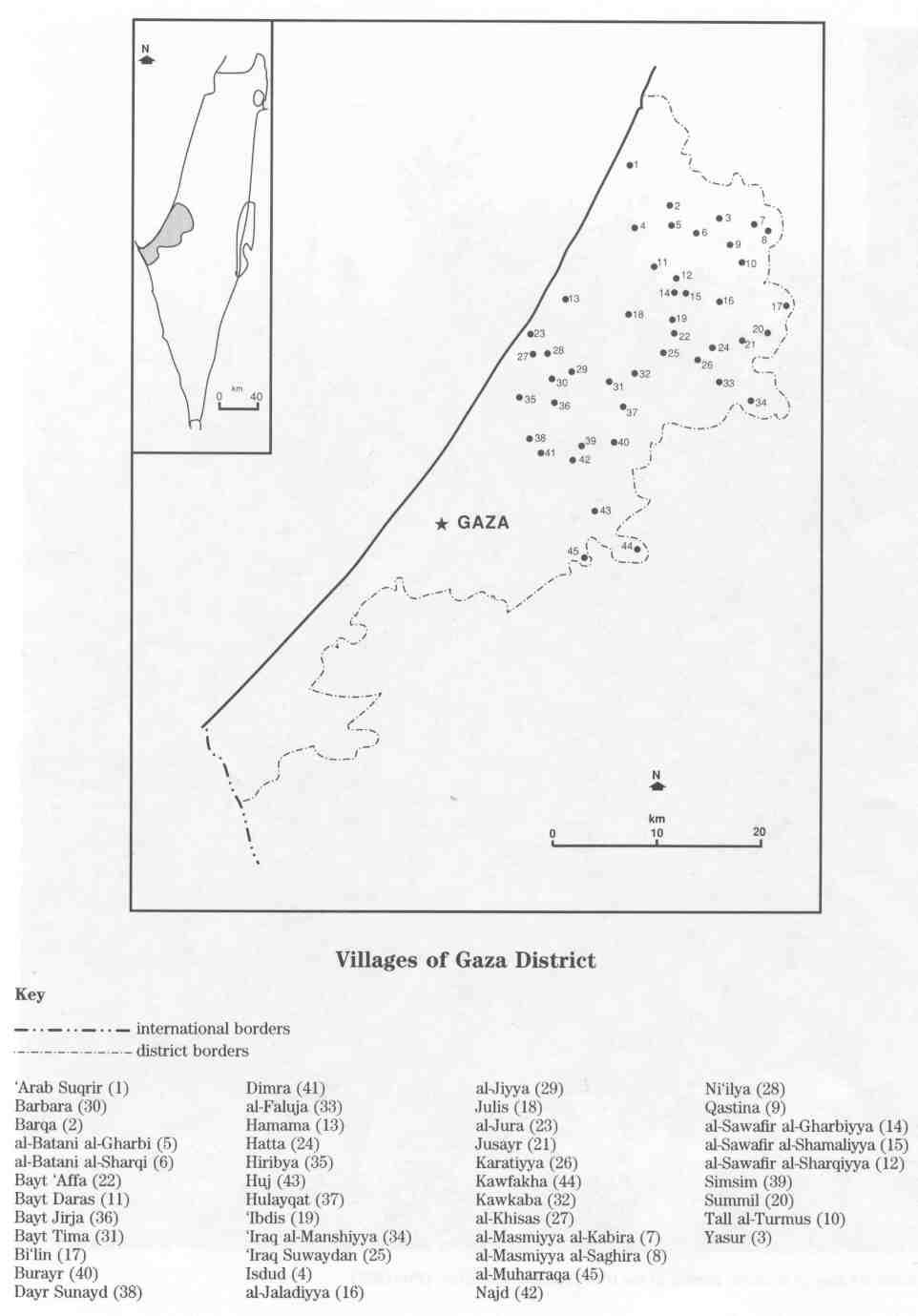
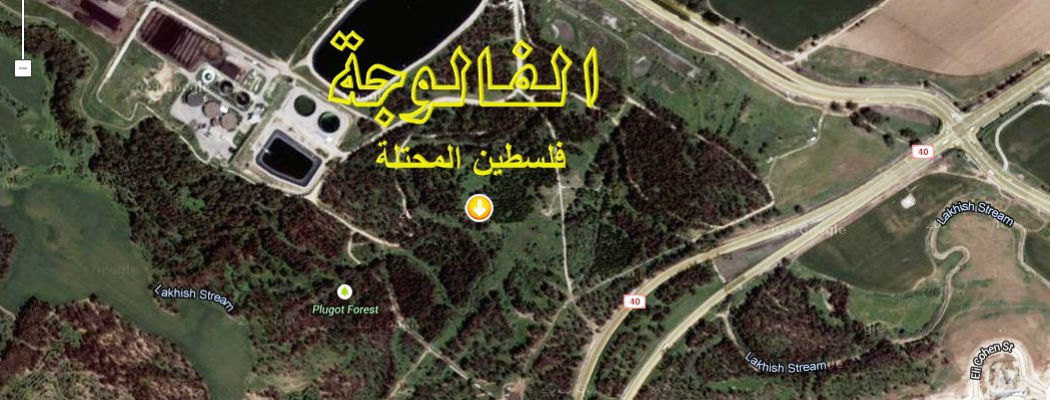
al-Faluja (Arabic: الفالوجة) was a Palestinian Arab village in the British Mandate for Palestine, located 30 kilometers northeast of Gaza City. The village and the neighbouring village of Iraq al-Manshiyya formed part of the Faluja pocket, where 4,000 Egyptian troops, who had entered the area as a result of the 1948 war, were besieged for four months by the newly established Israel Defense Forces. The 1949 Armistice Agreements allowed for a peaceful transfer of those areas outside Gaza to Israeli control, allowing Egyptian troops to remain in Gaza. Following the agreements, the Arab residents were harassed and abandoned the villages. The Israeli town of Qiryat Gat, as well as the moshav Revaha, border the site of the former town. Qiryat Gat (founded in 1954 on a looted land and it’s the current location of Intel’s FAB 18 semiconductor manufacturing plant).
History
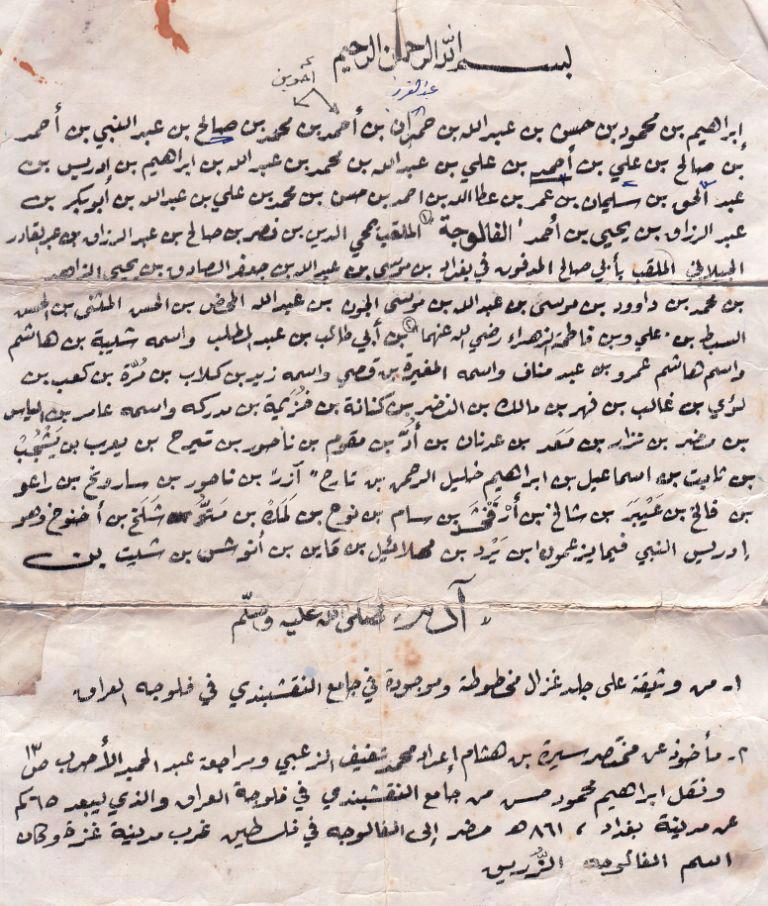
The town was founded on a site that had been known as “Zurayq al-Khandaq”, named “Zurayq” from the blue-colored lupin that grew in the vicinity. Its name was changed to “al-Faluja” in commemoration of a Sufi master, Shahab al-Din al-Faluji, who settled near the town after migrating there from Iraq in the 14th century. He died in al-Faluja and his tomb was visited by Arab geographer al-Bakri al-Siddiqi who journeyed through Palestine in the mid-18th century. In 1596, it was under the administration of the nahiya of Gaza, part of the Sanjak of Gaza with a population of 413. It paid taxes on wheat, barley, sesame, fruits, vineyards, beehives, goats, and water buffalo.
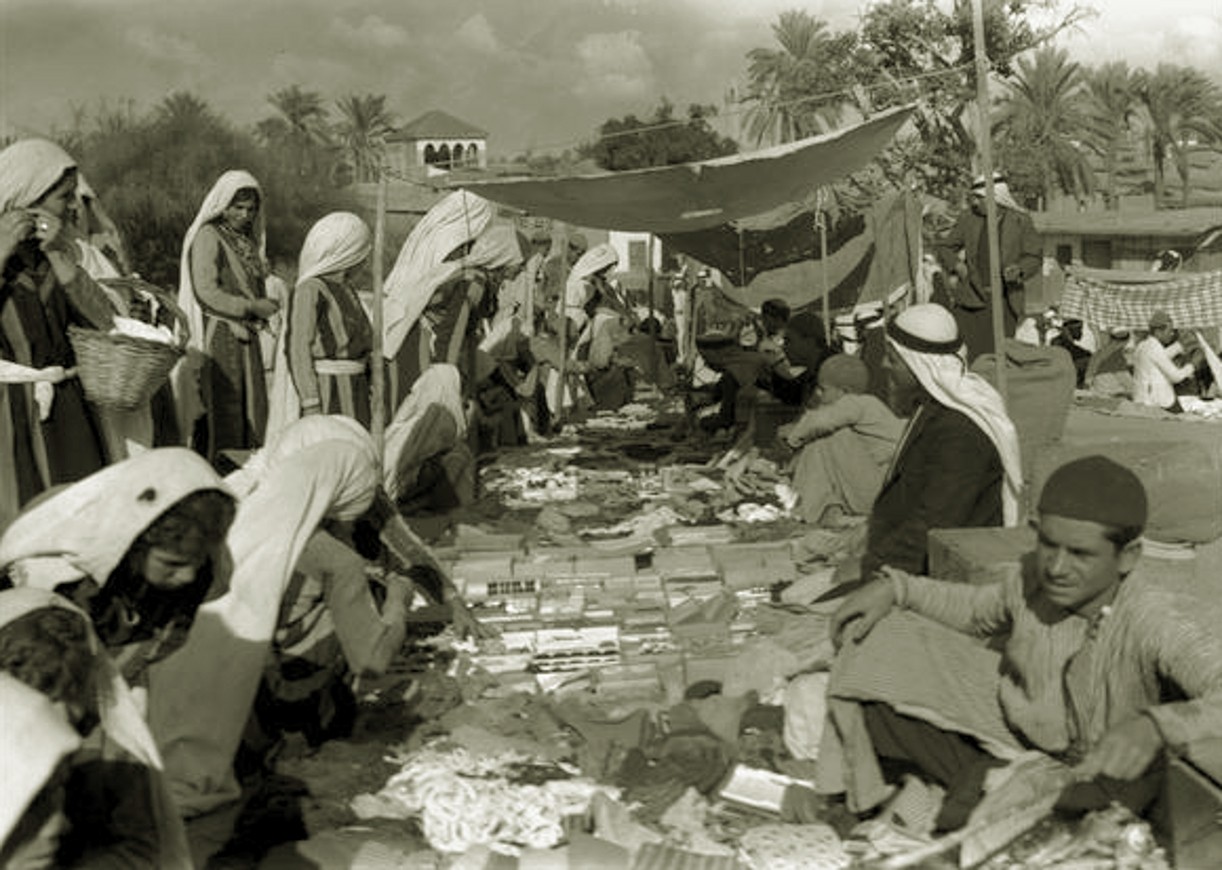
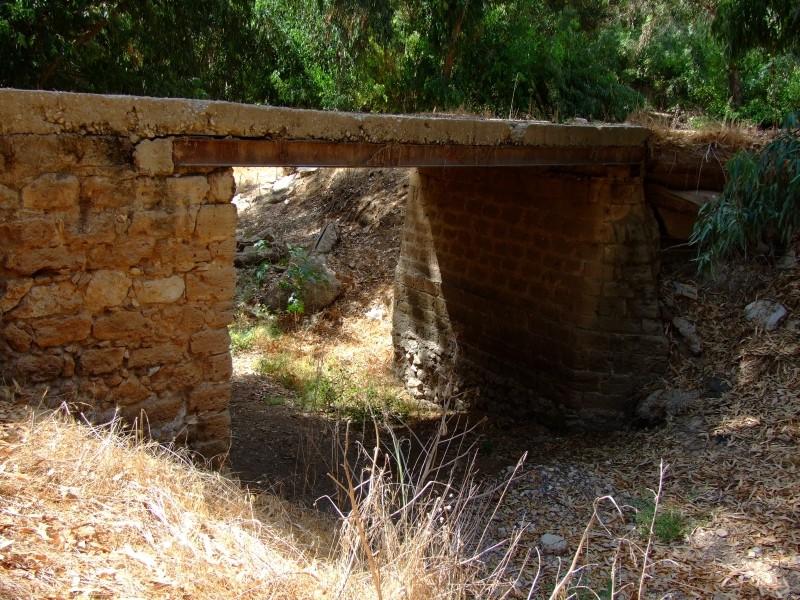
In the late 19th century, al-Faluja was surrounded on three sides by a wadi. It had two wells and a pool to the east, a small garden patch to the west, and the village houses were built from adobe bricks. The nucleus of the village was centered around the shrine of Shaykh al-Faluji. Its residential area began to expand in the 1930s and eventually crossed over to the other side of the wadi, which henceforth divided al-Faluja into northern and southern sections. Bridges were constructed across the wadi to facilitate movement between the two sides, especially during the winter when the water often flooded and caused damage. The center of al-Faluja shifted to the north where modern houses, stores, coffee houses, and a clinic were erected. The village had also two schools; one for boys (built in 1919) and the other for girls (built in 1940).
1948 Arab-Israeli war
Al-Faluja was in the territory allotted to the Arab state under the 1947 UN Partition Plan. During the war, the men of the village blockaded the local Jewish communities and attacked convoys being sent to bring them food, water, and other supplies. A battle between an armored Jewish supply convoy and villagers in al-Faluja on 14 March 1948 left thirty-seven Arabs and seven Jews dead, as well as scores of Arabs and four Jews wounded. Israeli sources at the time told the New York Times that the convoy, protected by armored cars of the Haganah, “had to fight its way through the village.” A Haganah demolition squad returned later in the day and blew up ten houses in the village, including the town hall. According to Palestinian sources, the village had been attacked the month before, on 24 February.
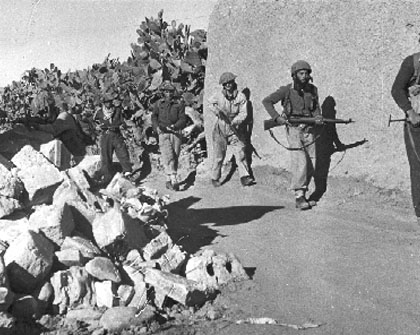
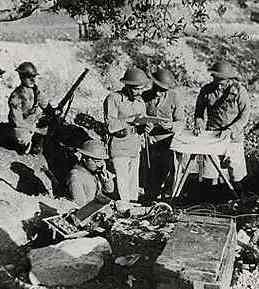
Egyptian forces crossed into the former mandate on 15 May 1948 and a column of them were stopped by the Israelis near Ashdod. This column retreated to and encamped at al-Faluja and Iraq al-Manshiyya, the so-called Faluja pocket. Between late October 1948 and late February 1949 some 4,000 Egyptian troops were encircled here by Israeli forces.
Armistice agreement
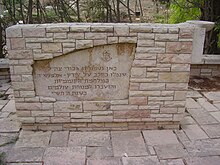
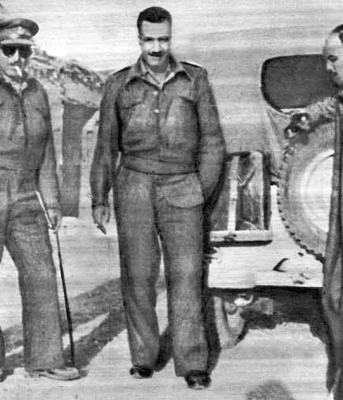
Under the terms of the February 4, 1949 Israel–Egypt Armistice Agreement, the surrounded Egyptian forces (including future Egyptian President Gamal Abdel Nasser) were allowed to evacuate, and the area was transferred to Israeli control. This agreement (uniquely to the two villages), guaranteed the safety and property of the 3,140 Arab civilians (over 2,000 locals, plus refugees from other villages). The agreement, and a further exchange of letters filed with the United Nations, stated “…. those of the civilian population who may wish to remain in al-Faluja and Iraq al-Manshiya are to be permitted to do so. … All of these civilians shall be fully secure in their persons, abodes, property and personal effects.”
Post-armistice events
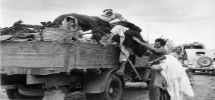
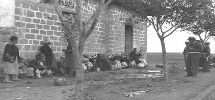
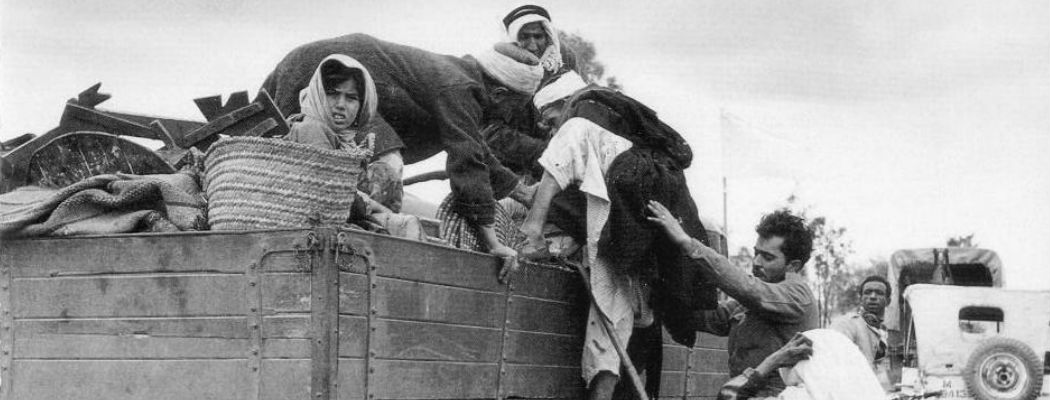
Few civilians left when the Egyptian brigade withdrew on 26 February 1949 but Israel promptly violated the armistice agreement and began to intimidate the populace into flight. United Nations observers reported to UN mediator Ralph Bunche that the intimidation included beatings, robberies, and attempted rape. Quaker observers bore witness to the beatings “Jane Smith (one of the Quaker party) has bandaged six men. The worst case was a man with two bloody eyes, a torn ear, and a face pounded until it was blue … A young Arab told me: ‘We could not sleep last night because of much shooting and because the Israeli soldiers came into the homes and tried to “make into” the Arab women.’”. On 3 March they wrote that at “Iraq al Manshiya, the acting mukhtar or mayor told them that ‘the people had been much molested by the frequent shooting, by being told that they would be killed if they did not go to Hebron, and by the Jews breaking into their homes and stealing things”.
Moshe Sharett (Israeli Foreign Minister) was very concerned at the international repercussions, especially the possible effect on Israeli-Egyptian relations. He was angry at the actions of the IDF, carried out without Cabinet authorization and behind his back and was not easily appeased. He used most uncharacteristic language “The IDF’s actions” threw into question “our sincerity as a party to an international agreement … One may assume that Egypt in this matter will display special sensitivity as her forces saw themselves as responsible for the fate of these civilian inhabitants. There are also grounds to fear that any attack by us on the people of these two villages may be reflected in the attitude of the Cairo Government toward the Jews of Egypt”. Sharett pointed out that Israel was seeking membership of the United Nations, and was encountering difficulties “over the question of our responsibility for the Arab refugee problem. We argue that we are not responsible … From this perspective, the sincerity of our professions is tested by our behavior in these villages … Every intentional pressure aimed at uprooting [these Arabs] is tantamount to a planned act of eviction on our part”.
Sharett also protested that the IDF were carrying out a covert “‘whispering propaganda’ campaign among the Arabs, threatening them with attacks and acts of vengeance by the army, which the civilian authorities will be powerless to prevent. This whispering propaganda (ta’amulat lahash) is not being done of itself. There is no doubt that here there is a calculated action aimed at increasing the number of those going to the Hebron Hills as if of their own free will, and, if possible, to bring about the evacuation of the whole civilian population of [the pocket]”. He also referred to the army’s actions as “‘an unauthorized initiative by the local command in a matter relating to Israeli government policy’”. Allon admitted (to Yadin) only that his troops had “beaten three Arabs … There is no truth to the observers’ announcement about abuse/cruelty [hit’alelut], etc. I investigated this personally.”
Morris further writes that the decision to cleanse the “Faluja pocket” population was probably approved by Israeli prime minister David Ben-Gurion, that the last civilians left on 22 April, and the order to demolish these (and a string of other) villages was made 5 days later by Rabin.
stats-facts-data-and-information
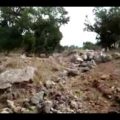
al-Faluja today